Board of Directors
We prioritize integrity and quality. If you have any concerns, please reach out to our board
TSW Board of Directors 21977 HWY 79 #192, Santa Ysabel, Ca 92070

Dorothy Willis
Los Coyotes Band of Cahuilla and Cupeño Indians
My name is Dorothy Willis, an Enrolled Member of Los Coyotes Band of Cahuilla and Cupeno Indians. I am half Kupa, Mountain Cahuilla, Desert Cahuilla, and Irish. I am a US Army Veteran with fifteen years of service, two Honorable Discharges, and I have my bachelor's and master's degrees in psychology. I am a very active member of our Tribal and Local Communities and serving on several boards. I enjoy spending time being of service to my people, beading, sewing, crocheting, hiking, exercising, gardening, and spending time with loved ones.
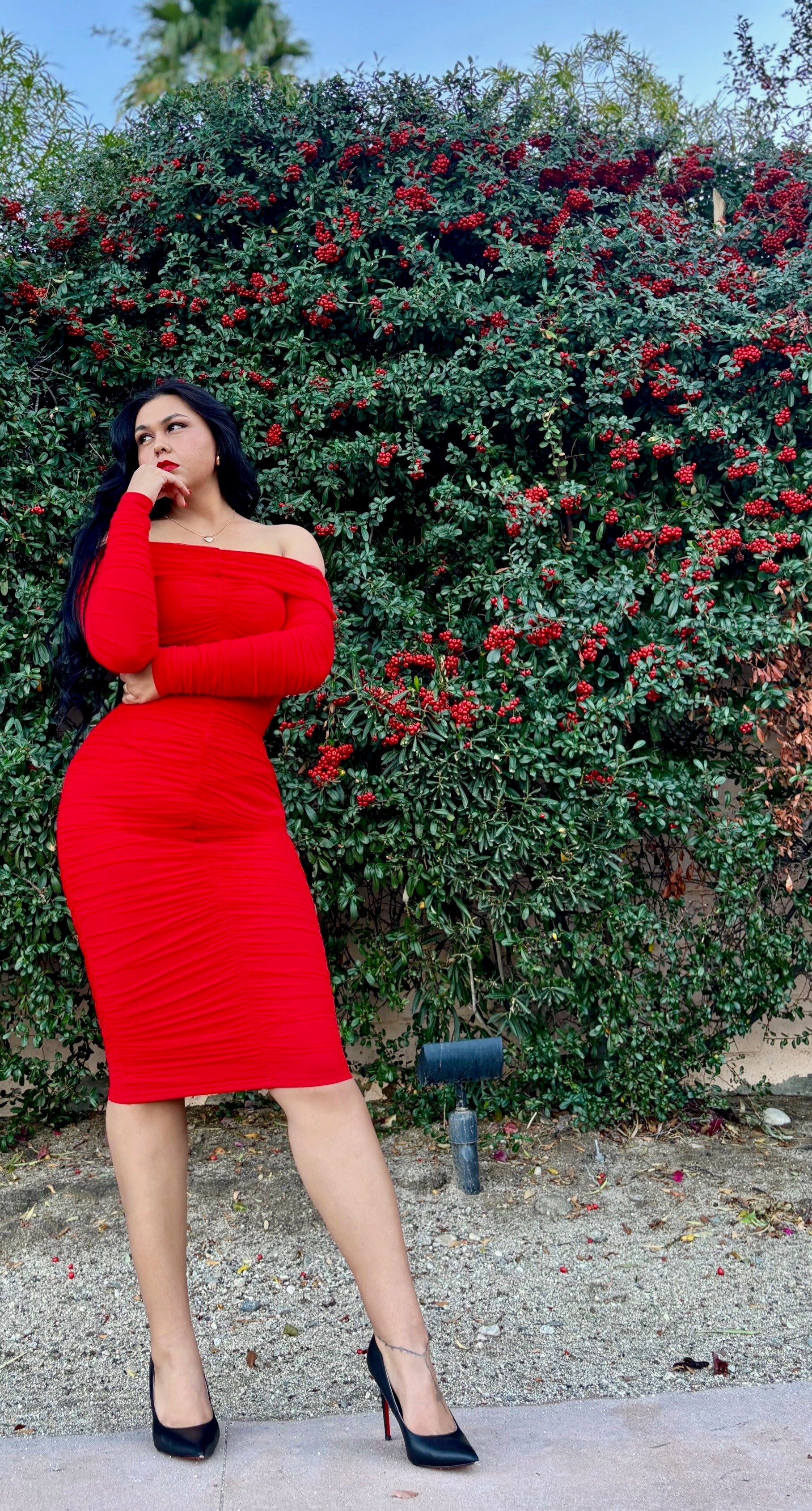
Jordan Thomas-Solis (Tsx Wiiqwieh) – Lummi Nation
Model • Producer • Designer • Advocate • Cultural Connector
Jordan Thomas-Solis (Tsx Wiiqwieh) is an enrolled member of the Lummi Nation and a national and international model, designer, and event producer with over 25 years of experience in the fashion industry. She currently serves on the International Indigenous Fashion Council and is the Founder of Ancestral Authority, a creative and cultural production collective centering Indigenous visibility, empowerment, and sovereignty.
Jordan is the Executive Producer of Echos, an environmental justice docuseries uplifting frontline voices and Indigenous perspectives on land, climate, healing, and self-determination. Through Echos, she collaborates with environmental leaders, tribal communities, and knowledge keepers to document solutions-based approaches to sustainability grounded in cultural teachings and sovereignty.
A strong advocate for American Indian higher education, Jordan champions culturally grounded support systems, mentorship, and Indigenous leadership within academic institutions. She is passionate about building pathways for Native youth in post-secondary education and speaks often on the importance of culturally relevant curriculum, community accountability, and tribal sovereignty in education environments.
As a mother to a young son with autism and the first in her immediate family to earn a bachelor’s degree, Jordan’s journey is rooted in resilience and responsibility. She strives to embody the person she needed when she was younger and works to ensure Indigenous youth see possibility, representation, and their own power reflected back to them.
Jordan is also the Director of the upcoming Songs of the Salish Sea Indigenous Fashion Show, a historic inaugural production debuting at the Silver Reef Casino in 2026. This production features an all-Indigenous staff and creates space for celebration, visibility, and the amplification of Indigenous voices on national and international stages.
Through media, fashion, environmental storytelling, and community-driven advocacy, Jordan weaves together culture, healing, and representation—always guided by the core belief that sovereignty begins with voice, and every voice deserves to be heard.
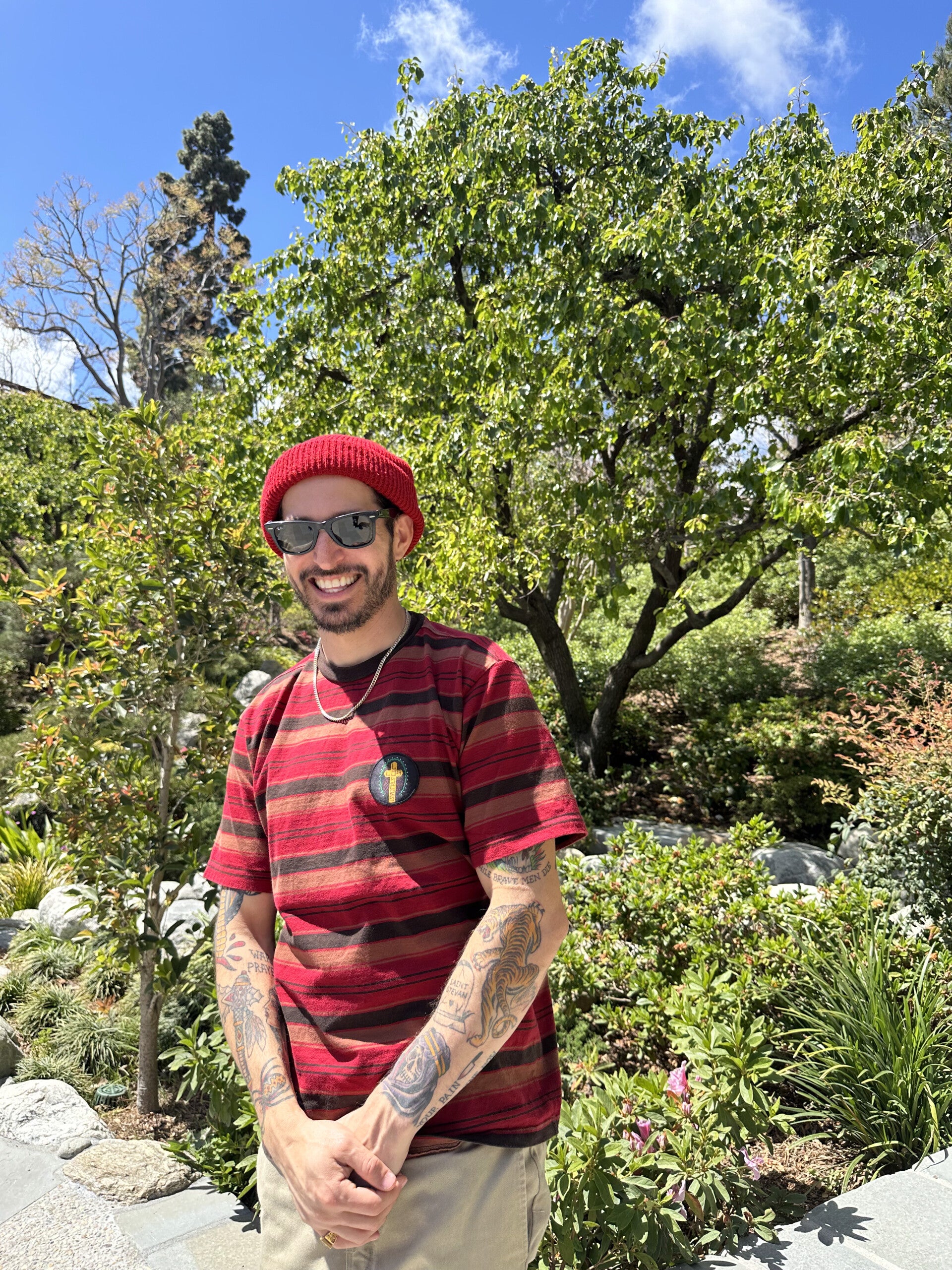
Alan Santistevan Toulumne Band of Me-Wuk Indians
Alan Santistevan is an enrolled member of the Toulumne Band of Me-Wuk Indians, and is a lineal descent from the San Pasqual Indian Reservation where he currently resides. He holds a graduate degree in Geochemistry and his research interests focus on the intersectionality of volcanism and environmental perturbations.

Chance Brown
Viejas Band of the Kumeyaay Nation
Chance Brown-Tribal Sacred Waters, Inc Treasure
An enrolled member of the Viejas Band of Kumeyaay Indians, Chance Brown is a passionate youth leader who loves spending time with his nieces and nephews as a dedicated cousin and uncle. He has a deep love for sports, particularly Rez ball, and proudly supports his favorite team, the Padres. As the treasurer of Tribal Sacred Waters, he plays a vital behind-the-scenes role in supporting the community. Chance enjoys ocean life, immersing himself in the beauty of nature, and balancing his passions with his tribe.
Chamise Pink
Mesa Grande
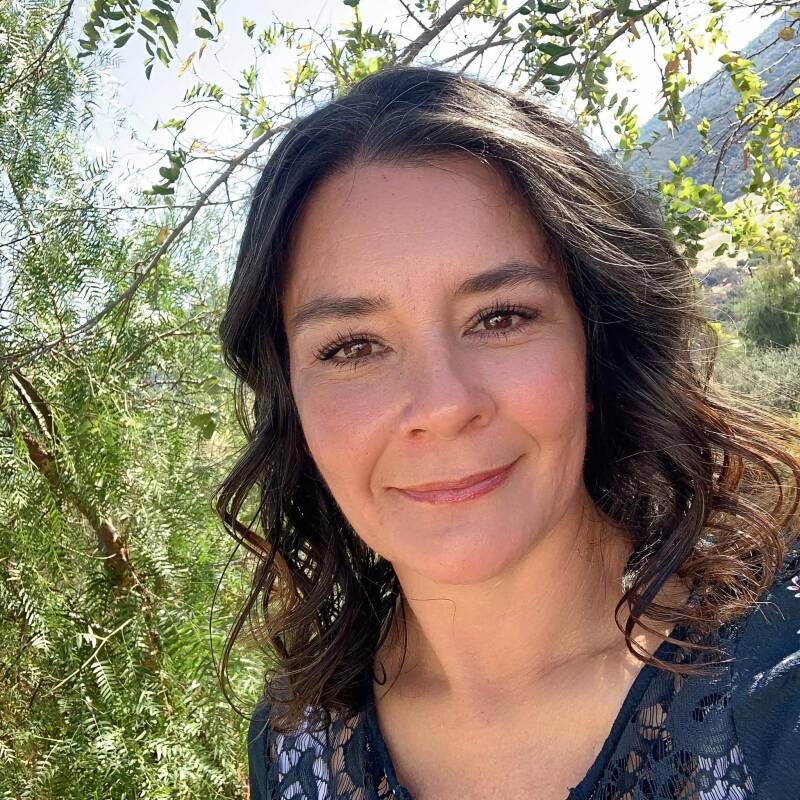
Chamise Pink is an enrolled member of the Mesa Grande Band of Mission Indians, a dedicated mother, and a passionate advocate for Native people, families, and community initiatives. She is committed to supporting Indigenous wellness, culture, youth, and opportunities that strengthen Native communities.
Bianca and LuMen
Bianca and LuMen are the duo behind the LuMen Brand, a creative house blending fashion, storytelling, and spiritual awareness. Their work bridges Native heritage, modern design, and personal transformation, using art and apparel as a way to spark connection, confidence, and intentional living. As designers and cultural collaborators, their collections highlight themes of alchemy, light, identity, and ancestral influence, deeply tied to the land and the communities that shaped them.
Bianca carries a lifelong connection to water and the outdoors, shaped by childhood experiences fishing the small rivers and tributaries of New Mexico including stretches of the Pecos River, the bends of the Rio Grande, and the quieter, spiritual waters of the Rio Chama near her family roots in the village of Abiquiú. Those landscapes taught her respect, stillness, and the responsibility that comes with tending to land and water values she carries into her community work and creative leadership today.
Together, Bianca and LuMen have experience hosting and supporting Miss USA pageant titleholders, producing collections for major fashion weeks, building creative networks across the U.S. and Australia, and uplifting emerging models and artists. Their brand centers on integrity, empowerment, and creating spaces where people feel seen and inspired.
Beyond fashion, both are committed to community impact and cultural respect. Their strengths include creative direction, project coordination, youth engagement, and long-term visioning.
LuMen also brings a strong background in physical training and wellness, shaped by years of focused study, disciplined training, and hands-on guidance. His approach blends functional strength, mobility work, and body awareness. He has supported youth, models, and community members in building confidence, improving alignment, preventing injury, and developing healthier relationships with their bodies.
Together, Bianca and LuMen offer enthusiasm, lived experience, cultural awareness, and a sincere dedication to helping Sacred Waters San Diego grow and serve the community with purpose and heart.

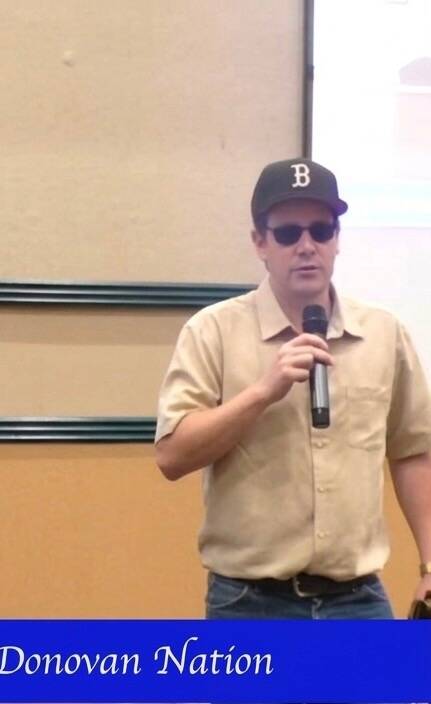
Donavan Nation
Donovan Nation is deeply committed to the active preservation and continuation of Kumeyaay traditions. Through dedicated collaboration, he ensures that the oral histories and cultural practices of the California Kumeyaay people remain vibrant for future generations.
Often serving as a representative of his heritage in formal and professional environments, Donovan is honored to welcome his fellow board members. He looks forward to contributing his expertise and dedicated efforts to the mission of Tribal Sacred Water Inc. & Tribal Nations
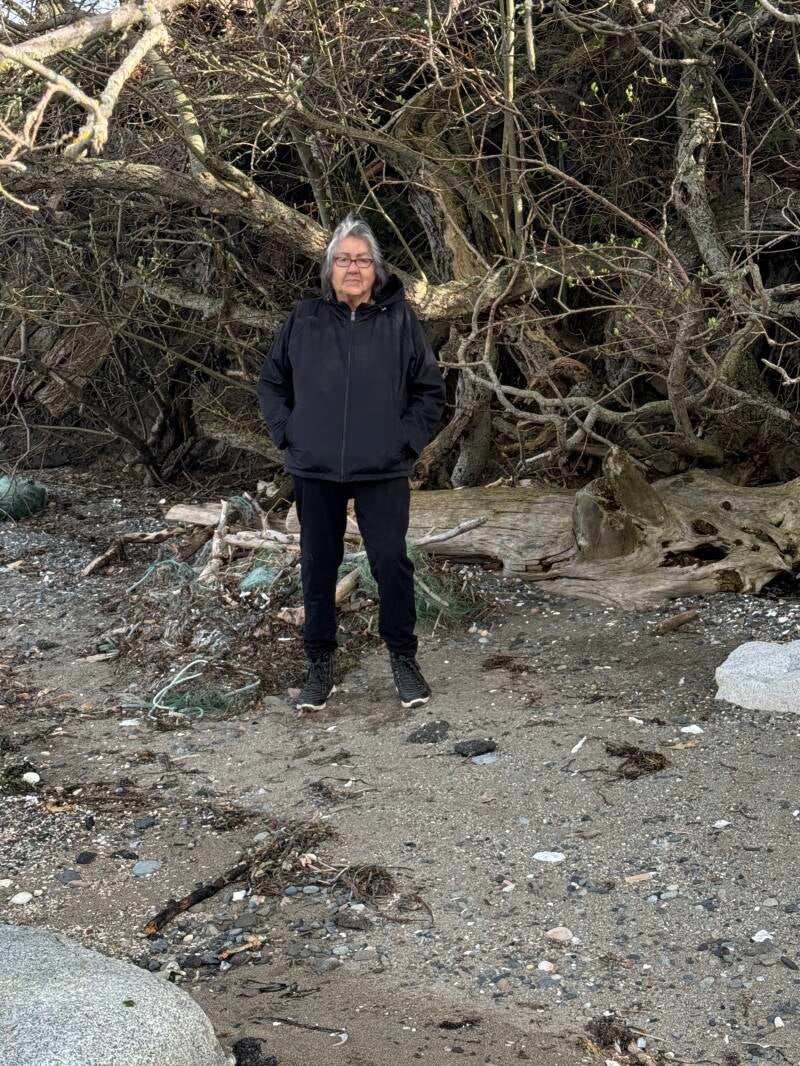
Elder at large- Nancy Bucaro
We are grateful for the wisdom and guidance of elders. Nancy Bucaro, an enrolled member of the Iipay Nation of Santa Ysabel. Respected by all, Nancy has dedicated her life to nurturing her family—raising her children, being a grandmother, great-grandmother, aunt, sister, and cousin. Her extensive experience is truly invaluable to our community.
It is our tradition and custom to respect our elders and to listen to their teachings. We are taught to always confide in our elders, and we implement this principle within our organization as a fundamental part of our values.