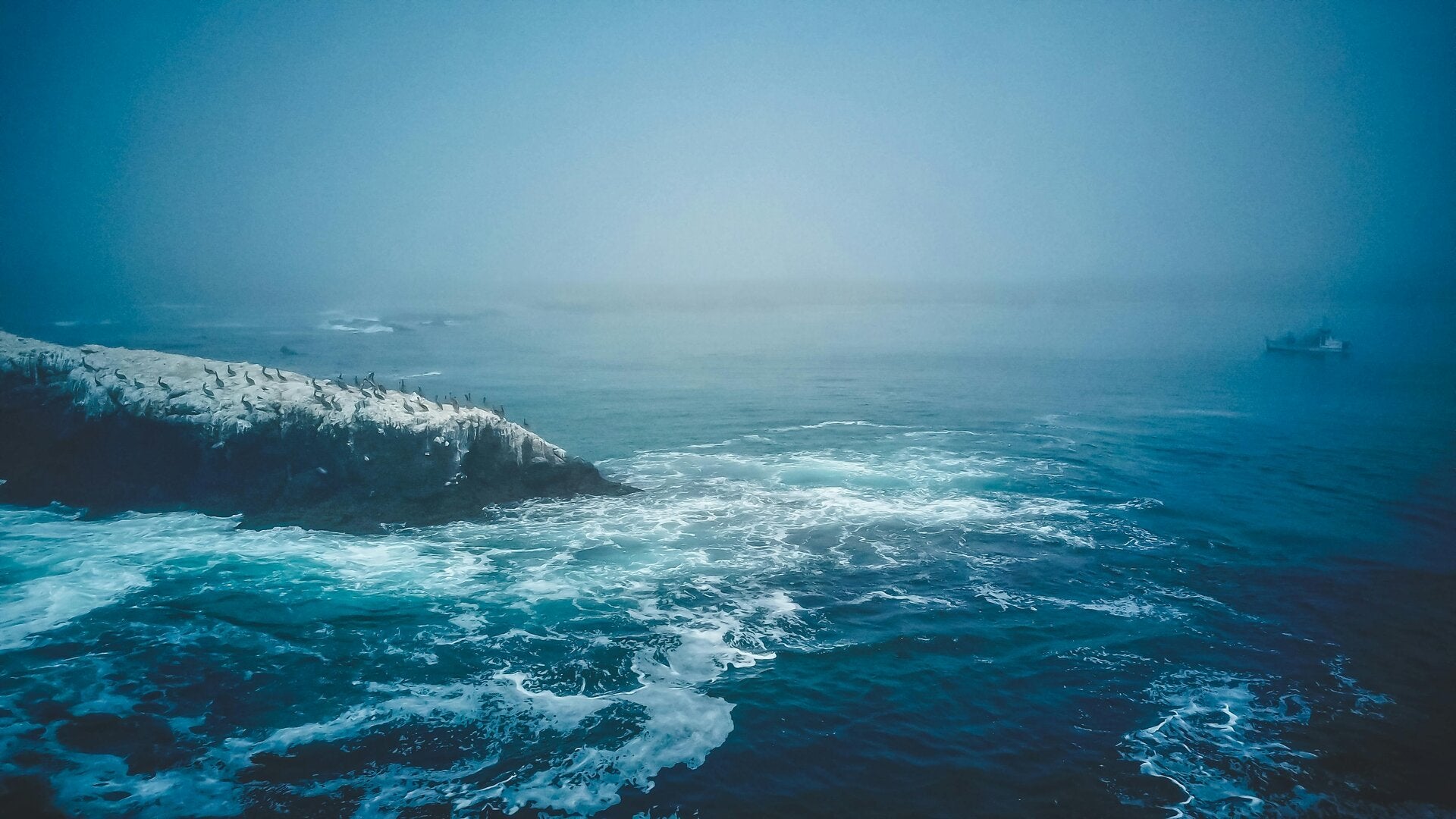
Tribal Stewardship-Tide pools
Tide Pooling, King Tides, and Coastal Stewardship
Tide pooling is an important way to learn about the ocean because it reveals the biodiversity of the intertidal zone, where plants and animals survive daily changes in waves, sunlight, temperature, and salinity. The best times to explore tide pools are during very low tides, especially negative low tides and king tides, which happen when the sun and moon align and create the highest high tides and lowest low tides of the year. King tides are especially important because they show how sea-level rise and climate change may affect our coastlines in the future. In San Diego County, low-lying beaches, estuaries, and rocky shorelines such as La Jolla, Point Loma, Cabrillo, and other intertidal habitats are good places to observe sea stars, anemones, hermit crabs, shore crabs, limpets, chitons, barnacles, sea hares, snails, urchins, small fish, and algae. Tide pooling is necessary because it teaches respect for fragile habitats, supports conservation, and helps people understand how interconnected the ocean is with our communities. Traditional Indigenous knowledge reminds us to observe the moon, tides, and seasonal cycles carefully, and that wisdom strengthens climate resiliency and protects biodiversity for future generations.


Marine Protected Area (MPA)
Marine Protected Areas (MPAs) are vital to our ecosystem because they protect habitats, support biodiversity, help fish and wildlife recover, and make coastal ecosystems more resilient to climate change. In San Diego County, the state MPAs include:
● Batiquitos Lagoon State Marine Conservation Area
● San Elijo Lagoon State Marine Conservation Area
● Swami’s State Marine Conservation Area
● San Diego-Scripps Coastal State Marine Conservation Area
● Dike Rock State Marine Conservation Area
● Matlahuayl State Marine Reserve
● Matlahuayl State Marine Conservation Area
● South La Jolla State Marine Reserve
● South La Jolla State Marine Conservation Area
● Point Loma State Marine Reserve
● Point Loma State Marine Conservation Area
● Cabrillo State Marine Reserve
● Cabrillo State Marine Conservation Area
The main rules and regulations are that State Marine Reserves do not allow the take of any living marine resource, while State Marine Conservation Areas may allow only limited take depending on the site and species. Visitors must follow posted boundaries, avoid collecting animals, shells, rocks, or plants, and never damage habitat or disturb wildlife. These protections are essential because they safeguard nursery areas, kelp forests, rocky reefs, and intertidal zones, which support healthy fisheries and overall ecosystem balance. Traditional Indigenous knowledge and stewardship also remind us that the ocean is a living relative, and combining that knowledge with science strengthens climate resiliency and biodiversity.
Traditional Maritime Education, Boating Stewardship, and Navigation
Traditional maritime education teaches participants how Indigenous coastal peoples have navigated, harvested, traveled, and cared for ocean waters for thousands of years. This program combines traditional ecological knowledge with modern boating safety and stewardship practices. Participants learn boating etiquette, vessel safety, navigation, weather awareness, tides, currents, emergency preparedness, and responsible ocean use.
Maritime teachings encourage humility, respect, and gratitude when entering ocean waters and reinforce that all marine life deserves care and protection.
Participants are introduced to marine charts, GPS technology, GIS mapping, coastal observation, and habitat mapping to better understand shorelines, fisheries, Marine Protected Areas, and environmental change. GIS mapping helps document cultural sites, coastal resources, habitats, climate impacts, and restoration opportunities.
The program also explores future maritime opportunities, including Tribal vessel ownership, ocean stewardship careers, marine science, eco-cultural tourism, fisheries management, research vessels, and Indigenous-led marine conservation programs. Through these experiences, participants gain the knowledge and confidence needed to become future ocean stewards and maritime leaders.


Indigenous Fisheries, Conservation, and Sustainable Harvesting
This program teaches participants about Indigenous fishing traditions, sustainable harvesting practices, fisheries conservation, and responsible stewardship of San Diego’s coastal waters. Traditional ecological knowledge is combined with modern fisheries science to promote healthy oceans and resilient fish populations.
Participants learn fishing safety, ethical angling practices, catch-and-release methods, species identification, fishing regulations, seasonal cycles, and habitat protection. Emphasis is placed on taking only what is needed, respecting spawning seasons, protecting nursery habitats, and ensuring future generations can continue to benefit from healthy fisheries.
Common fish species found in San Diego waters include California halibut, barred sand bass, calico bass, spotted bay bass, yellowtail, white seabass, bonito, mackerel, rockfish, sheephead, croaker, surfperch, and tuna species during seasonal migrations. Participants also learn about kelp forest ecosystems, rocky reefs, estuaries, bays, and offshore habitats that support these fisheries.
Education includes an understanding of commercial, recreational, Tribal, and subsistence fisheries, as well as the role of Marine Protected Areas in supporting healthy fish populations. Through stewardship, conservation, and respect for the ocean, participants learn that fisheries are not simply resources to harvest but living systems that require balance, responsibility, and care. These teachings strengthen food sovereignty, cultural connections, environmental awareness, and long-term ocean sustainability.
Tribal Sacred Waters, Inc. promotes responsible fishing, conservation, and stewardship through education rooted in both Indigenous knowledge and modern fisheries management. As California Native people, we have lived along and cared for these waters since time immemorial, maintaining a deep cultural connection to the ocean, rivers, and fisheries. We teach catch-and-release practices, ethical fishing methods, and compliance with California fishing rules and regulations. Our programs help participants understand local fisheries, protect aquatic ecosystems, and uphold our responsibility to preserve these sacred waters and resources for future generations.
Some Kumeyaay (Iipai-Tiipai) Terms for Sea Creatures:
Ocean: ‘Ehaasilhy (literally “water-salt,” i.e. salt water)
Pacific Ocean; ‘Ehaasilhy ‘Ewik (literally “water-salt west”)
Sea Lion: Top
Whale: 'Ehpank
Sea turtle: 'Ehaasilhy kweyaq (literally “water-salt [it] lies in”)
Fish: Chii
Garibaldi: Chii kwa'hwatt (literally “fish red”)
Starfish: Chii kwelhyap (literally “fish star”)
Grunion: Hashuupilh
Octopus: Hilkutaat
Lobster: Milhykamaaw
Crab: Kaykay
Shrimp: Kiitash
Abalone: Haalyak (literally “water [it] lies in” or as some Kumiai in Baja California, Mexico suggest: “water bone”)
Clam, Mussel: Kiihulh or Haalyak
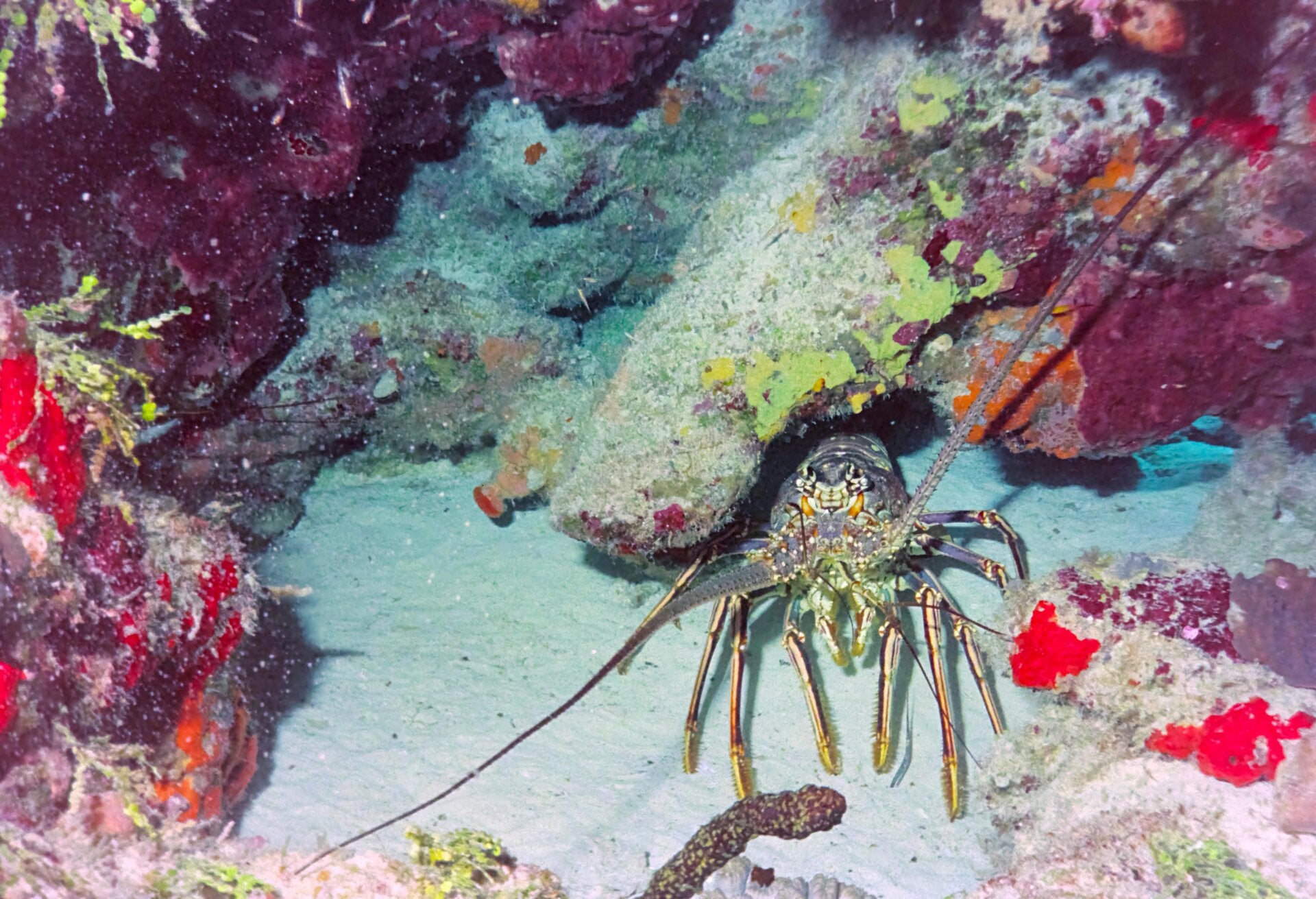
Lobster
Milhykamaaw